Hey there! My name's Henry. I'm a Computer Science honors student at Oregon State University, passionate about machine learning, space, and medicine. I love working on software and impactful technology that helps people. I'm driven by problems where computation meets real-world change and improvement. Outside of engineering, I'm usually behind a camera, on the slopes, lifting, or finding new music. I value growth and learning above everything, and I'm always excited to connect with others who share that mindset!
Software Engineering Intern
DZYNE Technologies
Embedded Systems & Full-Stack
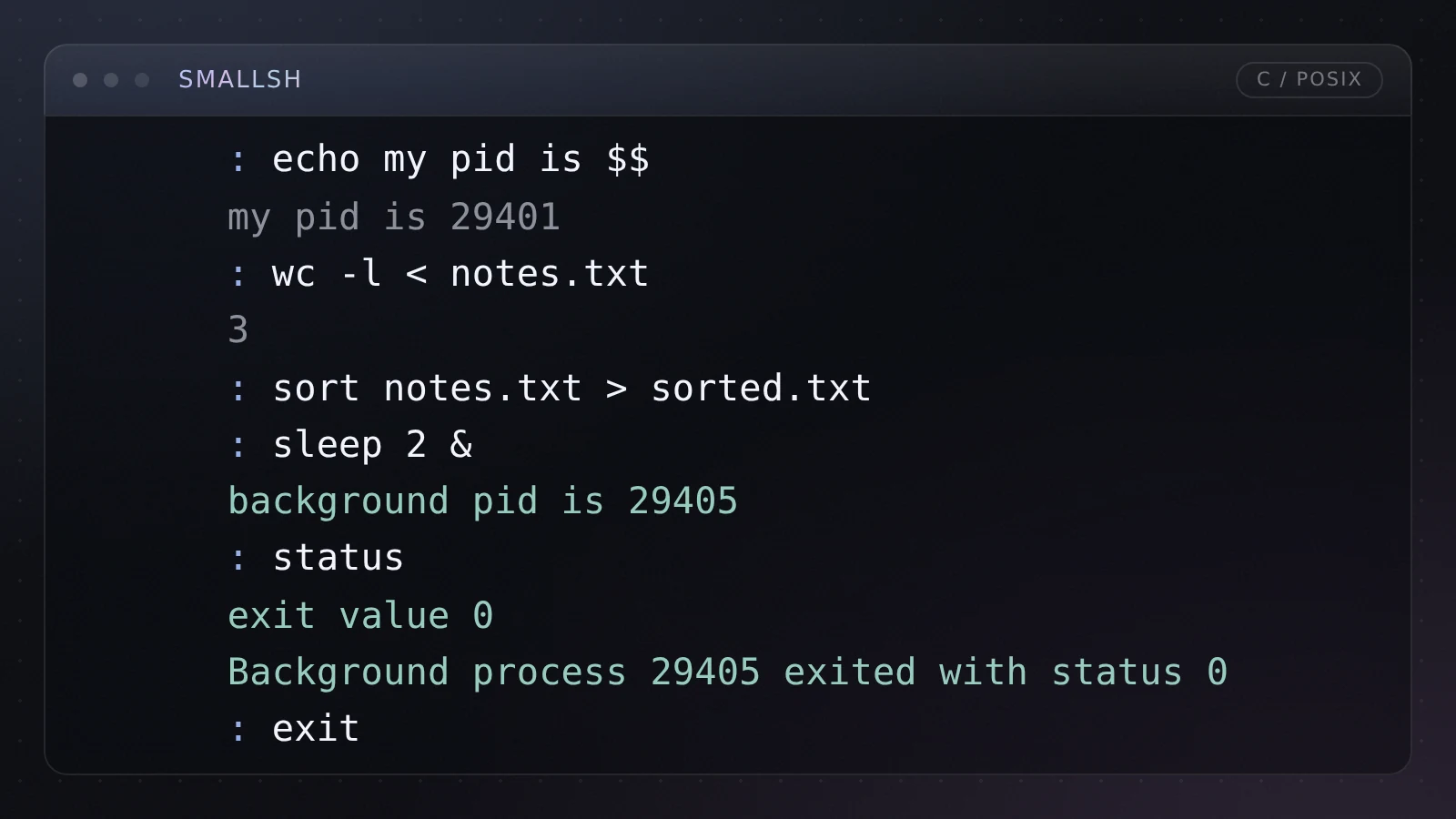
I worked on a small team writing embedded C and C++ for anti-drone defense systems. The codebase had grown organically and needed serious cleanup: I refactored the core modules to be properly modular, which made a real difference in how fast the team could move. I also rebuilt the Python test infrastructure from scratch because the old one was slow and required too much manual babysitting. The most fun part was building a full-stack GUI in React and Flask that gave operators real-time control over power, tracking, and logging during test runs: something that previously meant running a bunch of scripts by hand.
click to dismiss
Applied Machine Learning Researcher
Plasma, Energy, and Space Propulsion Laboratory
Signal Processing & ML
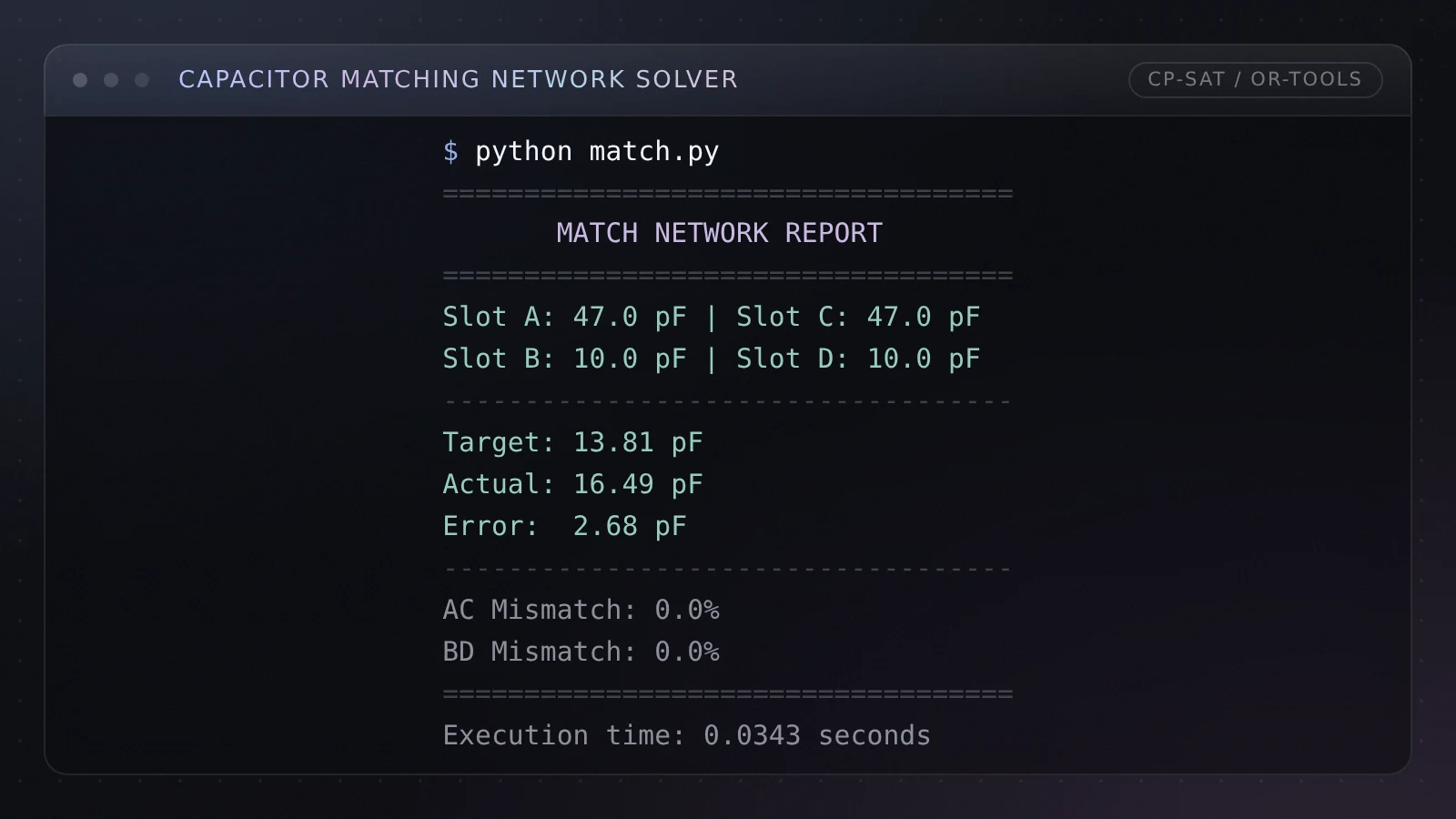
I split my time between the thruster side and the biomedical side of the lab, doing ML and signal processing work on both. A big chunk of it was building pipelines to extract clean signals from really noisy sensor data: plasma environments are brutal for that. On the modeling side, I worked on predictive models trained on large experimental datasets. One of the more interesting problems was automating capacitor tuning for RF plasma systems using Google OR-tools, replacing a slow manual process with something that ran dynamically and maximized power coupling in real time.
click to dismiss
Undergraduate Researcher
Jason Clark Research Group
FPGA & DSP Engineering
The lab works on precision sensing at the micro and nano scale, and my job was building the FPGA-based DSP system that let them actually measure the signals they cared about. Nano-ampere acquisition was something the lab hadn't been able to do before, and getting there meant writing VHDL modules, building thorough testbenches, and then integrating artificial damping algorithms through Hardware-in-the-Loop testing with Moku instrumentation to get the sensors stable enough to trust.
click to dismiss